Chemical Spill Kit Malaysia
Kindly Contact us
017-641 2290
Chemical Spill Kit Malaysia
Choosing a high-quality Chemical Spill Kit in Malaysia is not just a matter of operational efficiency; it is a critical requirement for compliance with the Department of Occupational Safety and Health (DOSH) and the Environmental Quality Act. Whether you are managing a laboratory in Kuala Lumpur or a heavy manufacturing plant in Pasir Gudang, being prepared for a hazardous leak can prevent costly fines, environmental damage, and workplace injuries.
This comprehensive guide covers everything you need to know about chemical spill kits, from technical specifications to proper storage and usage methods.
1. What is a Chemical Spill Kit?
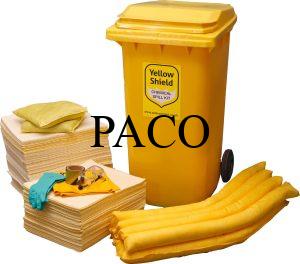
A chemical spill kit is a specialized collection of equipment designed to contain, neutralize, and clean up spills of hazardous liquids, including acids, bases, solvents, and unknown chemicals. Unlike general-purpose or oil-only kits, chemical kits feature “Hazmat Blue” or “Yellow” color-coding and are made from materials that will not react with aggressive fluids.
In Malaysia, these kits are essential for industries following ISO 14001 standards and DOSH USECHH Regulations 2000, ensuring that chemical health risks are managed effectively.
2. Who Should Use It and Where?
Any facility that handles, stores, or transports hazardous substances is legally and ethically obligated to have these kits on-site.
Primary Users:
Industrial Plants: Chemical manufacturing, electronics, and automotive assembly lines.
Laboratories: Research facilities, university labs, and medical testing centers.
Warehouses: Storage hubs for drums, IBC tanks, and chemical containers.
Hospitals: Areas handling chemotherapy drugs, disinfectants, or laboratory reagents.
Logistics & Transport: Vehicles transporting chemicals across Malaysian highways.
3. Technical & Material Specifications
A professional-grade chemical spill kit is built to withstand extreme pH levels. Here are the standard technical specs:
Material Composition:
Absorbents: Typically made of 100% Melt-blown Polypropylene. This material is chemically inert, meaning it won’t ignite or degrade when it touches concentrated acids (like Sulfuric Acid) or bases (like Sodium Hydroxide).
Color-Coding: Standardized Yellow (for Hazmat/Chemical) to distinguish from White (Oil-only) or Grey (General Purpose).
Containment: UV-stabilized polyethylene containers (yellow bins or bags) to protect contents from the humid Malaysian climate.
Key Components:
| Component | Function |
|---|---|
| Absorbent Pads | For wiping up small drips and cleaning flat surfaces. |
| Absorbent Socks | Flexible tubes used to “dike” or encircle a spill to stop it from spreading. |
| Absorbent Pillows | High-capacity units for soaking up large volumes or plugging leaks. |
| Personal Protective Equipment (PPE) | Nitrile gloves (chemical resistant), safety goggles, and disposal bags. |
| Neutralizers | (Optional) Some kits include pH-adjusting powders for specific acids or bases. |
4. How to Use: The “Method of Response”
When a spill occurs, the response must be immediate and systematic. Follow these steps:
Assess the Risk: Identify the spilled chemical using the Safety Data Sheet (SDS). If the spill is too large or toxic, evacuate and call the fire department (BOMBA).
Protect Yourself: Don the PPE provided in the kit. Never touch chemicals with bare skin.
Contain the Spill: Use the Absorbent Socks to create a perimeter around the spill. This stops the liquid from reaching floor drains or moving under machinery.
Absorb: Place Pads and Pillows directly onto the liquid. Start from the edges and work toward the center.
Clean and Decontaminate: Once the liquid is absorbed, use the remaining pads to wipe the surface. If a neutralizer is available, apply it according to the manufacturer’s instructions.
Dispose: Place all used absorbents into the provided Hazardous Waste Bags. In Malaysia, these must be disposed of as Scheduled Waste through a DOE-licensed contractor.
5. Storage and Maintenance Manual
To ensure the kit works during an emergency, follow these storage guidelines:
Location: Store kits within 15 to 30 meters of any chemical handling area. They should be easily accessible and never blocked by pallets or machinery.
Visibility: Use highly visible signage (e.g., “SPILL STATION”) so that employees can find them during a power outage or high-stress situation.
Environmental Control: Keep kits in a cool, dry place. Malaysia’s high humidity can degrade some PPE (like rubber gloves) over time. Ensure the container lid is tightly sealed.
Monthly Inspections: Check the kit monthly to ensure no items are missing and that the absorbents haven’t been “borrowed” for general cleaning.
Replacement: Once a kit is opened and used, it must be replenished immediately.
Investing in a Chemical Spill Kit in Malaysia is the first line of defense in workplace safety. By understanding the material specs and training your staff on the correct method of use, you protect your employees and ensure your business remains compliant with Malaysian environmental laws.
Need a custom spill kit for your facility? Look for suppliers that offer kits ranging from 20-liter portable bags to 660-liter wheeled bins to match your specific risk profile.
SEO Keywords: Chemical Spill Kit Malaysia, Hazmat Spill Kit, DOSH Compliance Malaysia, Chemical Absorbent Pads, Spill Response Training Malaysia, Industrial Safety Equipment.
