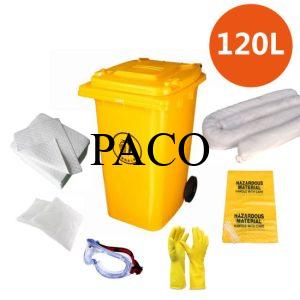
In any environment where liquids are handled—whether it is a high-tech laboratory, a bustling manufacturing floor, or even a busy office—accidents are an inevitable reality. A chemical container may develop a hairline crack, a machine might leak oil, or a simple spill of a cleaning agent can create a treacherous hazard.
While you cannot always prevent accidents from happening, you can control how you respond to them. This is where a spill kit becomes an indispensable asset. Far more than just a box of supplies, a well-maintained spill kit is a critical component of your facility’s safety infrastructure.
If you are wondering why your business needs to invest in these kits, here is an in-depth look at why they are essential for safety, compliance, and operational stability.
1. Protecting Human Health and Safety
The most vital reason to keep a spill kit on-site is the protection of your workforce. Spills, no matter how small, pose immediate threats:
Slip-and-Fall Hazards: Even non-hazardous liquids like water or coffee can cause debilitating slip-and-fall accidents. Quick absorption keeps walkways clear and safe.
Chemical Exposure: If you handle corrosive acids, solvents, or oils, a spill can cause chemical burns, skin irritation, or respiratory distress. Spill kits provide the essential Personal Protective Equipment (PPE)—such as gloves and goggles—needed to protect responders during the cleanup process.
Preventing Secondary Hazards: Spills can lead to secondary incidents, such as fires from flammable liquids or reactions between incompatible chemicals. A kit allows you to contain the substance before it can cause a fire or explosion.
2. Ensuring Environmental Stewardship
Modern regulations place a heavy emphasis on environmental protection. When a spill is not managed immediately, liquids can seep into floor drains, contaminate soil, or reach local water systems.
Environmental damage is not only ecologically devastating; it is often irreversible. By having the right absorbents and containment barriers (like booms and socks) readily available, you can stop a spill at the source. This prevents hazardous materials from migrating outside your facility, protecting local ecosystems and wildlife from contamination.
3. Achieving Regulatory Compliance
While regulatory bodies like OSHA may not explicitly mandate a “spill kit” in every single instance, they do require businesses to provide a workplace free from recognized hazards. The General Duty Clause mandates that employers protect employees from harm.
Furthermore, many environmental agencies (such as the EPA or local equivalents) have strict requirements regarding the management and disposal of hazardous waste. Failure to contain a spill properly can lead to:
Substantial legal fines and penalties.
Mandatory facility closures for investigations.
Litigation resulting from environmental or workplace damage.
Having a properly stocked, industry-specific spill kit serves as proof that your company is performing its “due diligence” to mitigate risks.
4. Minimizing Operational Downtime
When a spill occurs, the clock starts ticking. If you are not prepared, the cleanup process can bring production to a grinding halt. You might have to evacuate the area, wait for outside emergency crews, or stop work entirely while the mess is addressed.
A spill kit empowers your employees to take immediate, effective action. Because the kit contains everything needed for a rapid response, the spill is usually contained and cleaned within minutes, allowing your business to resume normal operations with minimal disruption. In the world of manufacturing and logistics, time is money—and a spill kit protects your bottom line.
5. Tailored Solutions for Every Hazard
Not all spills are created equal, and a one-size-fits-all approach to safety rarely works. A major advantage of using professional spill kits is that they are color-coded and contents-specific:
| Kit Type | Best For | Key Feature |
| Universal Kits | Oils, coolants, solvents, water | Versatile for general facility use |
| Oil-Only Kits | Hydrocarbons, fuels, motor oil | Hydrophobic; absorbs oil while repelling water |
| Chemical Kits | Acids, caustics, hazardous chemicals | Neutralizing agents and high-grade PPE |
By selecting the right kit for your specific inventory of liquids, you ensure that you are using the most efficient and safe materials for the job.
Best Practices for Maintaining Your Spill Kit
Simply buying a kit is not enough; it must be managed as part of your safety protocol:
Strategic Placement: Store kits in high-risk areas where liquids are stored, transported, or used. Ensure they are highly visible and accessible.
Regular Inspections: Assign a team member to check the kits periodically. If a kit has been used, it must be replenished immediately. Never let a kit sit half-empty.
Employee Training: A kit is only as effective as the person using it. Conduct regular training sessions so that staff members know exactly which kit to use, how to wear the included PPE, and how to dispose of the contaminated materials properly.
Conclusion
A spill kit is a modest investment that offers immense returns. It serves as your first line of defense, transforming a potential crisis into a controlled, manageable event. By protecting your employees, safeguarding the environment, ensuring regulatory compliance, and reducing downtime, a spill kit is not just a safety expense—it is a cornerstone of responsible, efficient business management.
Does your facility have an updated spill response plan and the necessary kits to support it? Would you like me to help you create a checklist for conducting a spill risk assessment in your workspace?